Source Anti Slip Rhinestone Square Buckle Shoe for Events
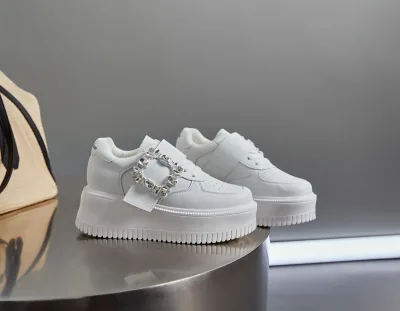
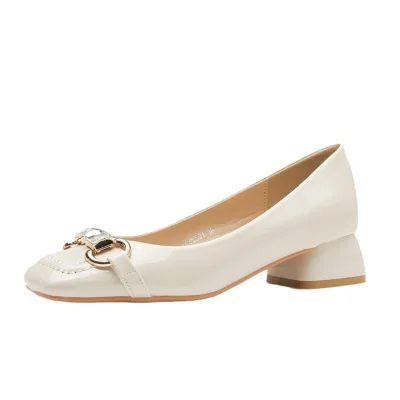
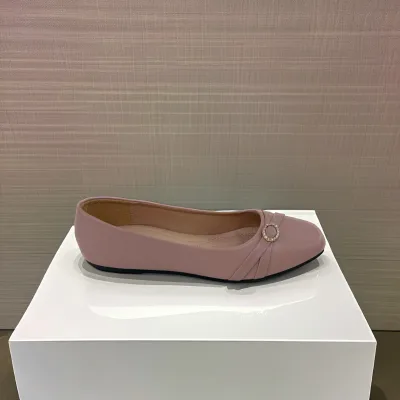
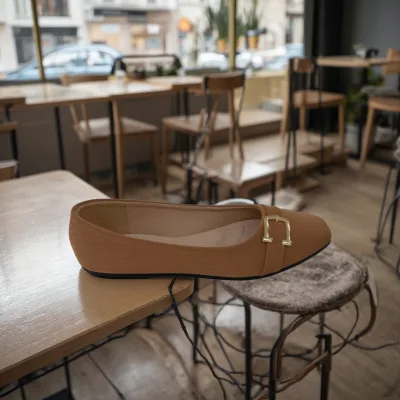
Find and compare 30 anti slip rhinestone square buckle shoe options featuring adjustable straps, rubber outsoles, and crystal embellishments. Evaluate styles for casual wear, spring/autumn seasons, and formal occasions with EU sizes 34-40 available from China suppliers.
Key considerations
Products List







Comprehensive Sourcing Guide
Anti Slip Rhinestone Square Buckle Shoe Sourcing Guide
Sourcing footwear that combines aesthetic embellishment with functional safety requires a disciplined approach to specification verification and supplier qualification. The intersection of decorative elements, such as rhinestone square buckles, and performance features like anti-slip outsoles presents unique challenges in quality control and material compatibility. Buyers must navigate the balance between visual appeal and practical utility, ensuring that the decorative components do not compromise the structural integrity or safety performance of the shoe. This guide provides a structured framework for evaluating products that meet these dual requirements, focusing on observable listing signals, technical specifications, and commercial due diligence.
The procurement process for this category demands a clear understanding of the product’s intended use and the specific attributes that define its market positioning. By analyzing observed listing data and trusted category knowledge, buyers can identify key differentiators that separate high-quality offerings from substandard alternatives. This guide emphasizes evidence-based decision-making, encouraging procurement teams to verify claims through documentation and sample testing rather than relying solely on marketing descriptions. The following sections detail the critical steps for sourcing anti-slip rhinestone square buckle shoes, ensuring that every purchase aligns with both aesthetic expectations and safety standards.
Product Scope and Observed Listing Signals
The observed product landscape for anti-slip rhinestone square buckle shoes reveals a diverse range of options catering to casual and dress occasions. Listings indicate a prevalence of female-oriented designs featuring closed-toe styles with ankle straps, which provide both security and a refined silhouette. The presence of adjustable straps suggests a focus on fit customization, allowing for a more personalized experience for the end consumer. These design elements are often complemented by embellishments such as crystals and rhinestones, which serve as key fashion elements to enhance visual appeal. Buyers should note that while the aesthetic focus is strong, the functional design must still support the primary purpose of the footwear.
Material composition plays a significant role in defining the product’s performance and durability. Observed listings frequently specify PU uppers paired with rubber outsoles, a combination that offers flexibility and traction. The inclusion of cotton fabric linings indicates an attention to comfort and breathability, which is crucial for all-season wear. Additionally, some products feature EVA foam for shock absorption, enhancing the overall wearing experience. The color palette typically includes versatile options such as black, beige, gold, silver, and white, allowing for broad market appeal. Buyers must carefully review these material specifications to ensure they align with the desired product quality and performance expectations.
Technical Specifications to Verify
Verifying heel height and type is essential for ensuring the shoe meets the intended style and comfort requirements. Observed data indicates a common heel height of approximately 5 cm, which provides a moderate lift suitable for both casual and semi-formal occasions. The heel type is often categorized as high heel, which requires careful attention to stability and balance. Buyers should request detailed technical drawings or samples to confirm the heel’s construction and attachment method, ensuring it can withstand regular use without compromising safety. The toe style, whether sharp, round, or closed, also impacts the shoe’s overall aesthetic and fit, necessitating precise verification against design specifications.
Sole composition and anti-slip features are critical technical aspects that directly influence the shoe’s performance. The use of rubber outsoles with anti-slip grooves is a common feature designed to enhance traction on various surfaces. Buyers must verify the specific design of these grooves and the quality of the rubber compound to ensure effective slip resistance. Additionally, the presence of shock-absorbing materials like EVA foam in the insole or midsole contributes to comfort and reduces fatigue. It is crucial to confirm that these materials are properly integrated and do not degrade over time, especially when exposed to different environmental conditions. Detailed specification sheets should be reviewed to validate these technical claims.
Compliance and Safety Documentation
Ensuring that the footwear meets relevant safety and quality standards is a fundamental requirement for any procurement process. Buyers should request documentation that verifies the compliance of the materials used, particularly the rubber outsoles and PU uppers, with international safety regulations. This includes checking for restrictions on harmful substances and ensuring that the manufacturing process adheres to environmental and labor standards. While specific certification statuses may vary by supplier, buyers must insist on proof of compliance to mitigate risks associated with product liability and market access.
Safety testing results for anti-slip performance and material durability are also critical components of the documentation package. Buyers should ask for test reports that demonstrate the shoe’s ability to resist slipping on standard surfaces, as well as data on the wear resistance of the outsole and the integrity of the embellishments. These tests provide objective evidence of the product’s performance and help buyers make informed decisions based on verified data rather than marketing claims. It is important to ensure that the testing methods used are recognized and accepted in the target market, ensuring that the product meets local regulatory requirements.
Cost Drivers and Commercial Terms
Understanding the factors that influence the cost of anti-slip rhinestone square buckle shoes is vital for effective budgeting and negotiation. The complexity of the design, including the application of rhinestones and square buckles, can significantly impact production costs. Handmade elements, as observed in some listings, may also contribute to higher labor costs and longer lead times. Buyers should analyze the cost structure to identify areas where value can be added without compromising quality, such as optimizing material usage or streamlining the production process.
Commercial terms, including MOQ and packaging requirements, also play a crucial role in the overall cost and logistics of the procurement. Observed listings indicate MOQs ranging from 1 to 1000 pieces, offering flexibility for different order sizes. Packaging options, such as individual boxes or polybags, affect both the product’s presentation and shipping efficiency. Buyers should negotiate terms that align with their inventory management strategies and distribution channels, ensuring that the total cost of ownership is minimized. Clear communication regarding these terms is essential to avoid misunderstandings and ensure a smooth transaction process.
Supplier Qualification and Quality Control
Evaluating supplier qualifications is a critical step in ensuring the reliability and consistency of the product supply. Buyers should assess the supplier’s manufacturing capabilities, quality control processes, and track record in producing similar footwear. This includes verifying their experience with embellished designs and their ability to maintain consistent quality across large production runs. Suppliers with a strong reputation for quality and compliance are more likely to deliver products that meet the buyer’s expectations and regulatory requirements.
Implementing a robust quality control plan is essential for maintaining product standards throughout the production process. Buyers should establish clear acceptance criteria for materials, workmanship, and final product inspection. Regular audits and sample testing can help identify potential issues early in the production cycle, allowing for timely corrective actions. It is also important to define clear communication channels with the supplier to address any concerns or changes in specifications promptly. A proactive approach to quality control ensures that the final product meets the desired quality levels and reduces the risk of defects or non-compliance.
Long-Term Procurement Checks
Establishing long-term procurement checks is necessary to maintain product quality and supplier performance over time. Buyers should implement a system for regular performance reviews, assessing factors such as delivery times, product consistency, and responsiveness to issues. This ongoing evaluation helps identify trends and potential areas for improvement, allowing for continuous optimization of the supply chain. By maintaining a close relationship with the supplier and fostering open communication, buyers can ensure that any changes in design or material are managed effectively.
Continuous monitoring of market trends and consumer preferences is also crucial for staying competitive in the footwear industry. Buyers should stay informed about emerging styles, materials, and safety standards that may impact the product’s relevance and appeal. This proactive approach allows for timely adjustments to product offerings and sourcing strategies, ensuring that the buyer remains aligned with market demands. By combining rigorous quality control with strategic market analysis, buyers can build a resilient and responsive procurement process that supports long-term business success.
FAQs
What customization options are available for these shoes?
Customization is available for these shoes to meet specific buyer requirements. The product features adjustable straps and embellished designs with rhinestone elements, allowing for tailored aesthetic choices while maintaining the core structure of the dress shoe.
Which materials are used for the upper and outsole?
The upper material is PU and the outsole is made of rubber. This combination provides durability and flexibility, while the lining uses cotton fabric for comfort. The rubber outsole includes anti-slip grooves for enhanced traction during wear.
Can I find these shoes in different colors and sizes?
Yes, these shoes are available in Black, Beige, Gold, Silver, and White. The size range covers EU 34 to 42, with US sizes 3 through 6 also listed. Buyers can select from multiple color options to match various fashion needs.
How is the heel height and style designed?
The heel height is about 5 cm with a high heel type. The toe style varies between closed toe, sharp, and round depending on the specific model. This design supports a dress shoe aesthetic suitable for casual or formal occasions.
What is the packaging standard for individual pairs?
Each pair is packed in an individual box or polybag. The standard packaging dimensions are approximately 30 by 22 by 12 cm or 29 by 18 by 9.5 cm depending on the model. This ensures safe transport and presentation for retail distribution.
Are these shoes waterproof or suitable for wet conditions?
No, these shoes are not waterproof and are not designed for wet conditions. They are intended for all-season wear in dry environments. Buyers should avoid exposing the PU upper and cotton lining to excessive moisture to maintain product integrity.
Which features ensure comfort and safety during wear?
The shoes feature shock absorption with EVA foam and anti-slip grooves on the rubber outsole. Additional features include resilient and breathable properties with anti-microbial capabilities. These elements combine to provide a comfortable and safe walking experience.